Chemistry · Organic Chemistry · Chapter notes
Biomolecules · Class 12 Chemistry Notes
Class 12 Chemistry notes on Biomolecules: carbohydrates, proteins and amino acids, enzymes, vitamins, nucleic acids, lipids and hormones, with the structures, tests and high-yield tables.
In short
The Class 12 chemistry treatment of biomolecules is about structure and tests rather than function. Carbohydrates are classified by what they hydrolyse into and identified by reducing tests, proteins by their linkage and levels of structure, and nucleic acids by their three components. Most marks come from tables you can learn directly.
Contents
Introduction: The Molecules of Life
Biomolecules are the organic compounds that build and run living cells: carbohydrates, proteins, lipids, nucleic acids, vitamins and hormones. This is the Class 12 chemistry treatment, focused on structure, classification and chemical behaviour, the angle both NEET and JEE test.
• Most abundant biomolecule in a cell: water.
• Most abundant carbohydrate in nature: cellulose.
• Most abundant protein in the biosphere: RuBisCO; in animals: collagen.
• Number of standard amino acids: 20.
Carbohydrates
Carbohydrates are polyhydroxy aldehydes or ketones, or compounds that yield these on hydrolysis. General formula Cx(H₂O)y.
| Class | Definition | Examples |
|---|---|---|
| Monosaccharides | Cannot be hydrolysed further | Glucose, fructose, ribose |
| Oligosaccharides | Yield 2 to 10 units | Sucrose, maltose, lactose |
| Polysaccharides | Yield many units | Starch, glycogen, cellulose |
A reducing sugar has a free aldehyde or ketone group and reduces Tollens' and Fehling's reagents. All monosaccharides and most disaccharides (maltose, lactose) are reducing. Sucrose is non-reducing, because both anomeric carbons are locked in the glycosidic bond. A perennial NEET question.
• Glucose: an aldohexose, C₆H₁₂O₆.
• Glycosidic linkage: the oxygen bridge joining two monosaccharide units.
• Invert sugar: the equal glucose-plus-fructose mixture from sucrose hydrolysis; rotation inverts from dextro to laevo.
• Starch = plant storage; glycogen = animal storage; cellulose = structural, of β-glucose.
Proteins and Amino Acids
Proteins are polymers of α-amino acids joined by peptide bonds. There are 20 standard amino acids; those the body cannot make are essential.
A peptide bond is the −CO−NH− linkage formed when the carboxyl of one amino acid condenses with the amino group of the next, releasing water. Its detection underlies the biuret test (violet colour).
• Primary: the amino acid sequence (peptide bonds).
• Secondary: α-helix or β-pleated sheet (hydrogen bonds).
• Tertiary: the overall 3D shape (H-bonds, disulphide bridges, ionic and hydrophobic forces).
• Quaternary: the arrangement of multiple subunits (haemoglobin has four).
| Type | Solubility | Examples |
|---|---|---|
| Fibrous | Water-insoluble | Keratin, myosin, collagen |
| Globular | Water-soluble | Insulin, albumin, haemoglobin |
Heat, extreme pH or heavy-metal ions collapse the non-covalent bonds holding a protein's higher-order structure. The chain unfolds and the protein loses biological activity, but the primary structure (peptide bonds) stays intact. A boiled egg is the classic example.
Enzymes
Enzymes are biocatalysts, almost all globular proteins, that lower the activation energy of a reaction. Their power comes from a specific active site.
• Apoenzyme: the protein part alone (inactive).
• Cofactor: a non-protein helper.
• Coenzyme: an organic cofactor loosely bound; many are vitamin-derived (NAD, NADP contain niacin).
• Prosthetic group: a tightly bound cofactor.
• Holoenzyme: apoenzyme + cofactor = the active enzyme.
In the lock-and-key model the substrate fits a rigid active site. In the more accurate induced-fit model the site moulds itself around the substrate. Activity depends on temperature, pH and substrate concentration, each with an optimum.
Vitamins
Vitamins are organic micronutrients needed in small amounts. They do not supply energy; many act as coenzymes. Classification by solubility carries real consequences.
Fat-soluble (A, D, E, K): stored in liver and fat, so daily intake is not essential and overdose can cause toxicity.
Water-soluble (B-complex and C): excreted in urine, not stored (except B12), so must be supplied regularly; toxicity is rare.
| Vitamin | Chemical name | Deficiency disease |
|---|---|---|
| A | Retinol | Night blindness, xerophthalmia |
| B1 | Thiamine | Beriberi |
| B12 | Cyanocobalamin | Pernicious anaemia |
| C | Ascorbic acid | Scurvy |
| D | Calciferol | Rickets, osteomalacia |
| E | Tocopherol | Reproductive / muscular issues |
| K | Phylloquinone | Poor blood clotting |
Nucleic Acids
Nucleic acids (DNA and RNA) are polymers of nucleotides that store and transmit genetic information. Each nucleotide has a nitrogenous base, a pentose sugar and a phosphate.
A base + sugar is a nucleoside; add phosphate and it becomes a nucleotide. Purines (double-ring): Adenine, Guanine. Pyrimidines (single-ring): Cytosine, Thymine (DNA), Uracil (RNA). The backbone is joined by phosphodiester linkages; strands by hydrogen bonds.
A pairs with T (two H-bonds), G pairs with C (three H-bonds). Hence Chargaff's rule: A = T and G = C. The Watson-Crick double helix was proposed in 1953.
| Feature | DNA | RNA |
|---|---|---|
| Sugar | 2-deoxyribose | Ribose |
| Bases | A, G, C, T | A, G, C, U |
| Strands | Double helix | Usually single |
| Function | Stores information | Protein synthesis |
Lipids and Hormones
Two smaller topics that still yield the occasional question.
Lipids are water-insoluble, non-polymeric biomolecules: fats and oils (triglycerides), phospholipids (cell membranes) and steroids. Saturated fatty acids have no C=C (solid, animal fats); unsaturated ones have double bonds (liquid oils). Fats are the most concentrated energy store.
Hormones are chemical messengers from endocrine glands. By chemistry: steroid (testosterone, cortisol), amino-acid-derived (adrenaline, thyroxine), and peptide/protein (insulin, glucagon). They act in tiny amounts to regulate metabolism, growth and reproduction.
Biomolecules: One-Page Fact Sheet
Everything for revision day.Before the exam
What the paper actually asks from this chapter
Read next
More chemistry notes
Now play it.
Reading a chapter and understanding it are different things. In the app this chapter becomes a game you play, a short read, then practice that tests you at every step. A full chapter, understood, in 45 to 60 minutes. Free to start.
- PlayA game built for the concept
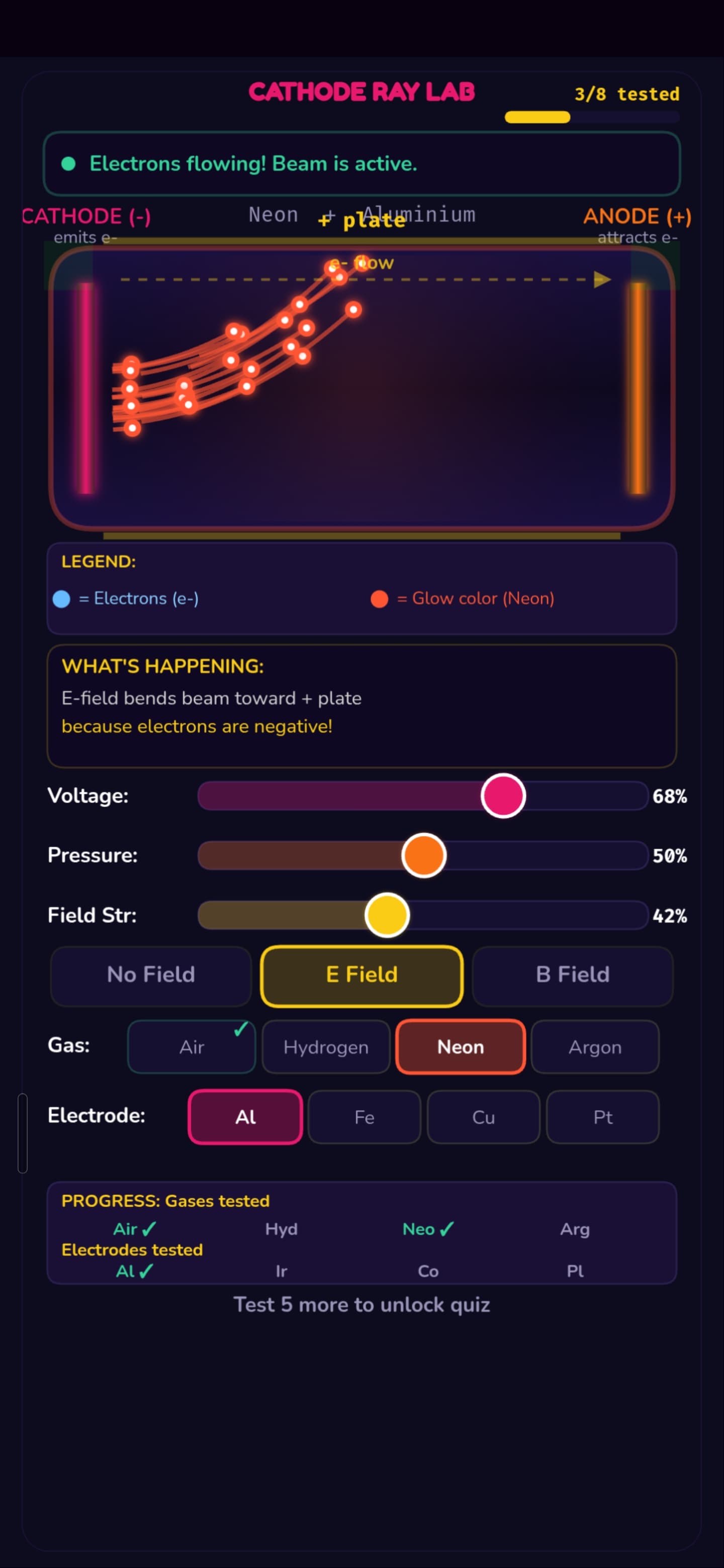
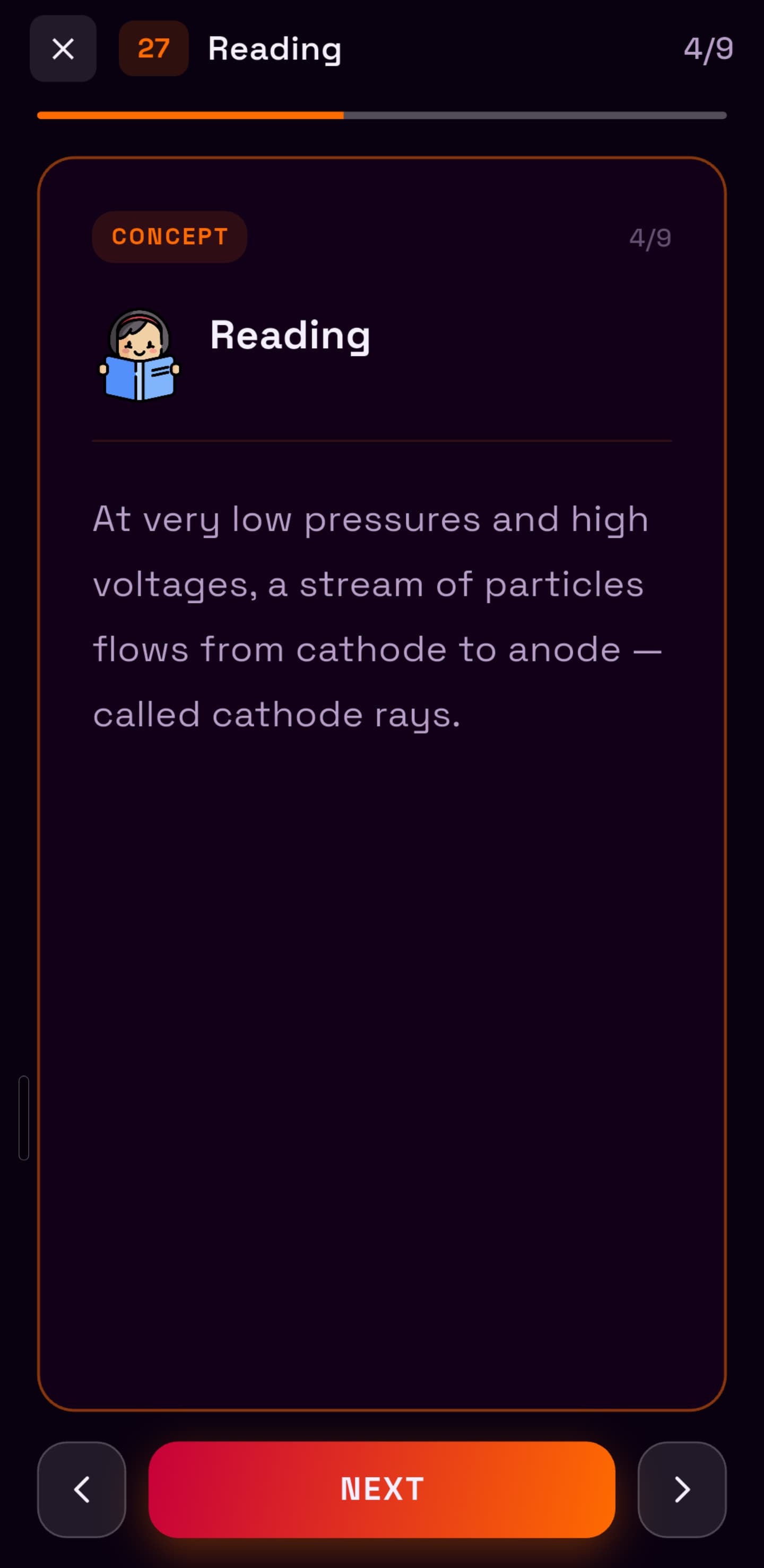
- ReadThe short NCERT explainer
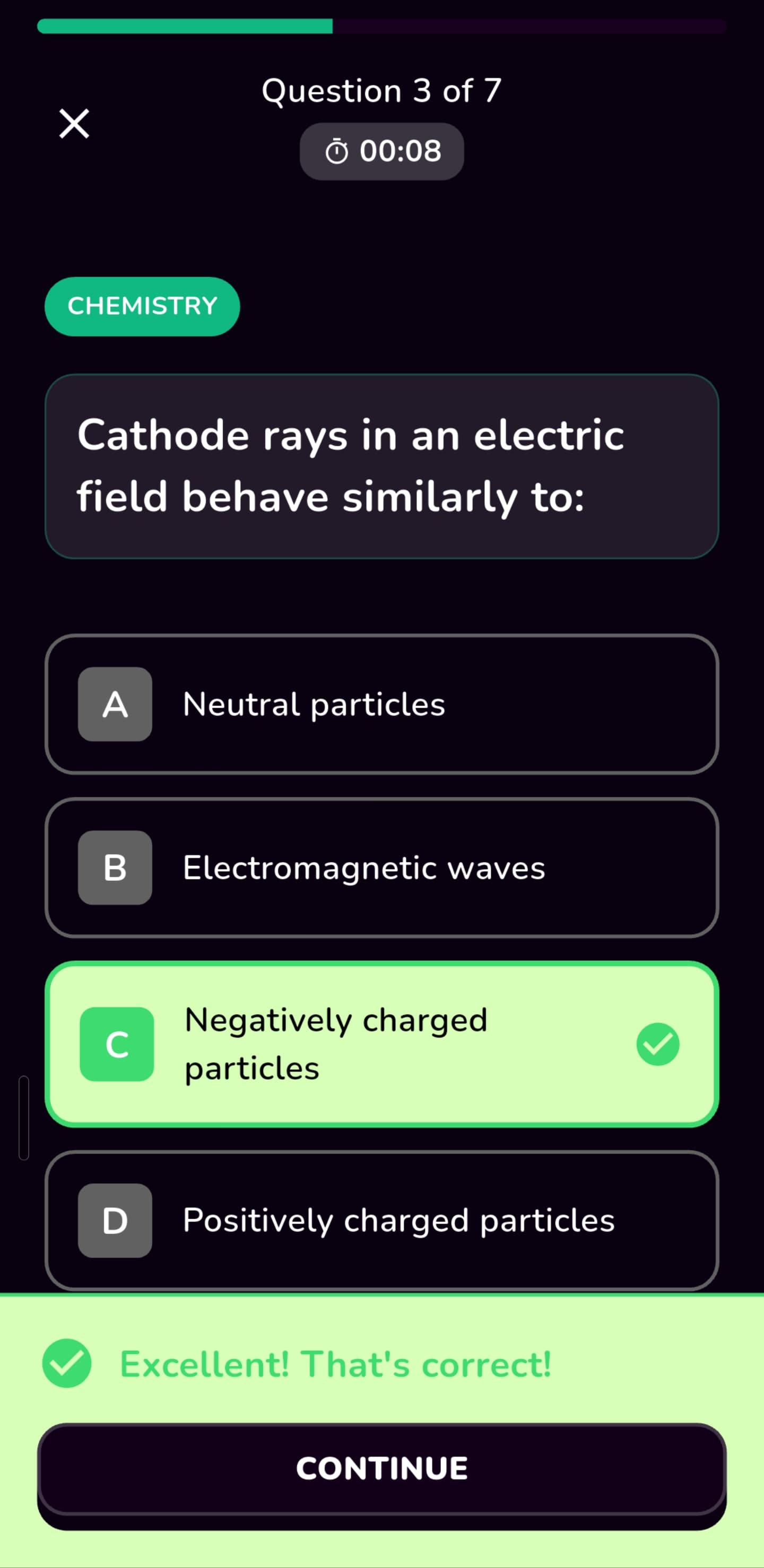
- PracticeTimed, until it sticks

Still stuck at 11pm? TarQPro reads the answer you got wrong and teaches the idea behind it, not just the right option.